The construction industry is responsible for approximately 39% of global carbon emissions — a figure that includes both the operational energy used to heat, cool, and light buildings over their lifetime, and the embodied carbon locked into the materials from which they are made. As the urgency of climate action intensifies, the materials we choose to build with have become one of the most significant levers available to architects, engineers, and developers who want to reduce the environmental impact of what they build.
But sustainability in construction is not simply about carbon accounting. It encompasses the full lifecycle of a material: where it comes from, how it is processed, how it performs in use, how long it lasts, and what happens to it when the building eventually reaches the end of its life. A material that is low-carbon to produce but requires intensive maintenance or fails prematurely is not genuinely sustainable. The best sustainable materials score well across all of these dimensions.
"The materials we choose to build with are not just a technical decision — they are a statement about the kind of world we want to build."
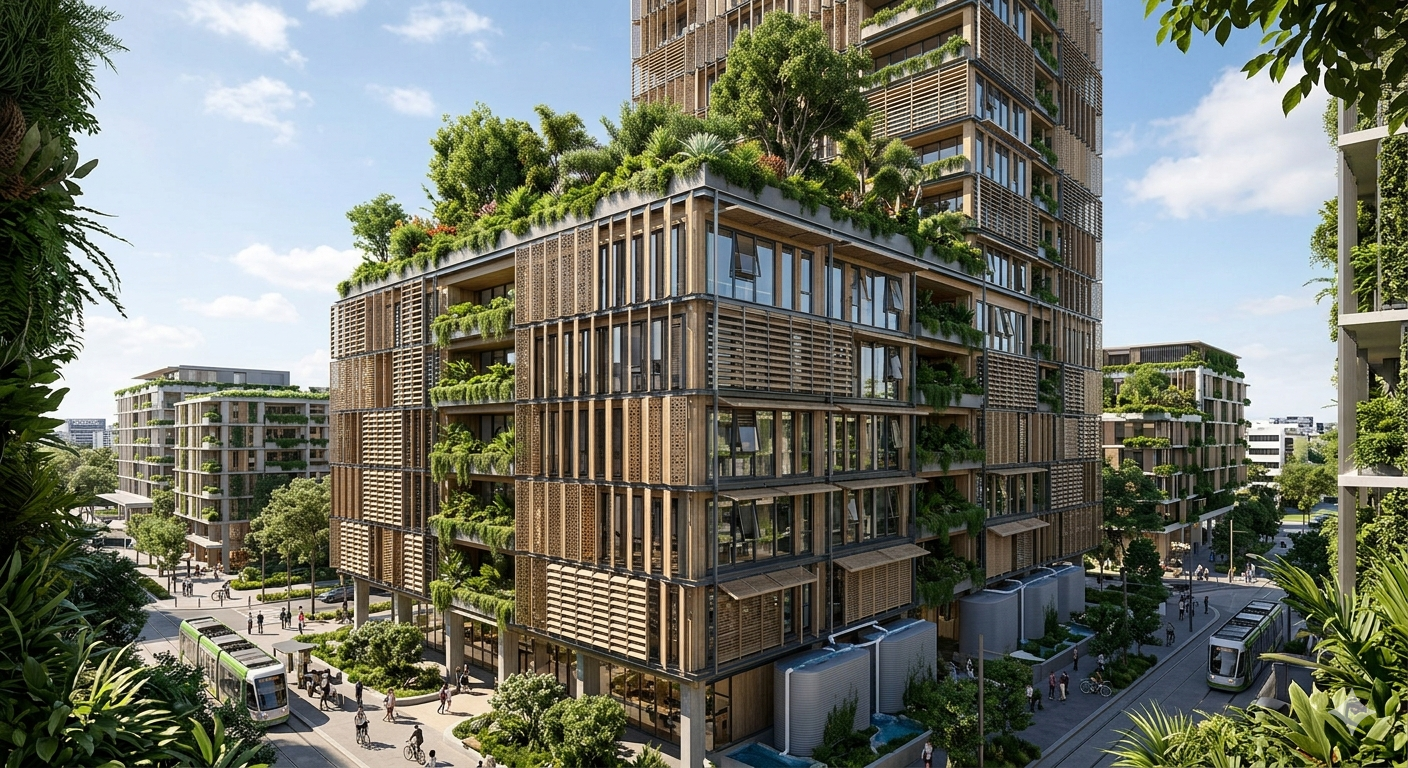
Bamboo is one of the fastest-growing plants on earth — some species can grow more than a metre per day — and it sequesters carbon at a rate that makes it one of the most effective natural carbon sinks available. Structurally, engineered bamboo products can match or exceed the performance of conventional timber, with tensile strength comparable to mild steel in some applications. In tropical and subtropical climates like Ethiopia's, bamboo can be grown locally, processed regionally, and used in construction without the long supply chains and high transport emissions associated with imported materials.
Steel is one of the most energy-intensive materials to produce from raw ore, but the picture changes dramatically when recycled content is considered. Producing steel from scrap requires only around 25–30% of the energy of primary production, with a corresponding reduction in CO2 emissions. For structural applications — columns, beams, and reinforcement — specifying steel with certified high recycled content is one of the simplest and most impactful sustainability decisions an engineer can make. The material performance is identical; the environmental footprint is substantially lower.
Hempcrete is a composite of hemp fibres, water, and a lime-based binder that produces a lightweight, highly insulating building material with a genuinely negative carbon footprint — the hemp plant absorbs more CO2 during its growth than is emitted in processing and transport. It is not a structural material in the conventional sense, but as infill walling within a structural frame it delivers exceptional thermal performance while sequestering carbon for the life of the building. Its use is growing in Europe and North America; the case for its adoption in Ethiopian residential construction, where thermal comfort is a significant issue, is compelling.
Rammed earth construction — compacting layers of moist subsoil within temporary formwork to create dense, durable walls — is one of the oldest building techniques in the world and one of the most locally responsive. The material is literally taken from the ground on or near the building site, eliminating transport emissions entirely. Rammed earth walls have excellent thermal mass, absorbing heat during the day and releasing it at night, making them highly effective in the diurnal temperature swings characteristic of the Ethiopian highlands. With appropriate waterproofing detailing, rammed earth structures can achieve design lives of a century or more.
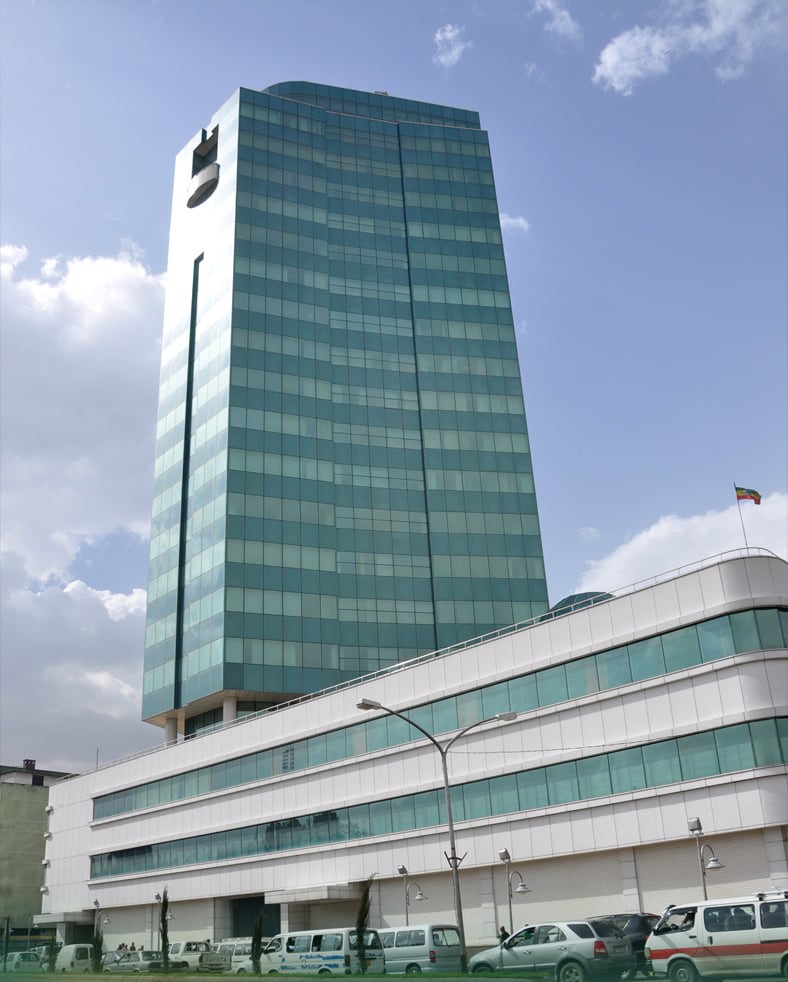
In Ethiopia, the transition to sustainable materials faces both obstacles and opportunities that are specific to the local context. The construction industry is growing rapidly — Addis Ababa alone adds millions of square metres of new building floor area each year — and the materials choices made now will lock in environmental performance for decades. The case for locally sourced, low-embodied-carbon materials is particularly strong in a context where imported construction products carry significant transport emissions and supply chain vulnerability.
At HGC, we approach material specification as a design decision with real environmental and economic consequences. Sustainable materials are not a luxury for projects with international environmental credentials; they are increasingly the economically rational choice for clients who want buildings that perform well, cost less to maintain, and contribute positively to the environment in which they stand.
← Back to News & Insights