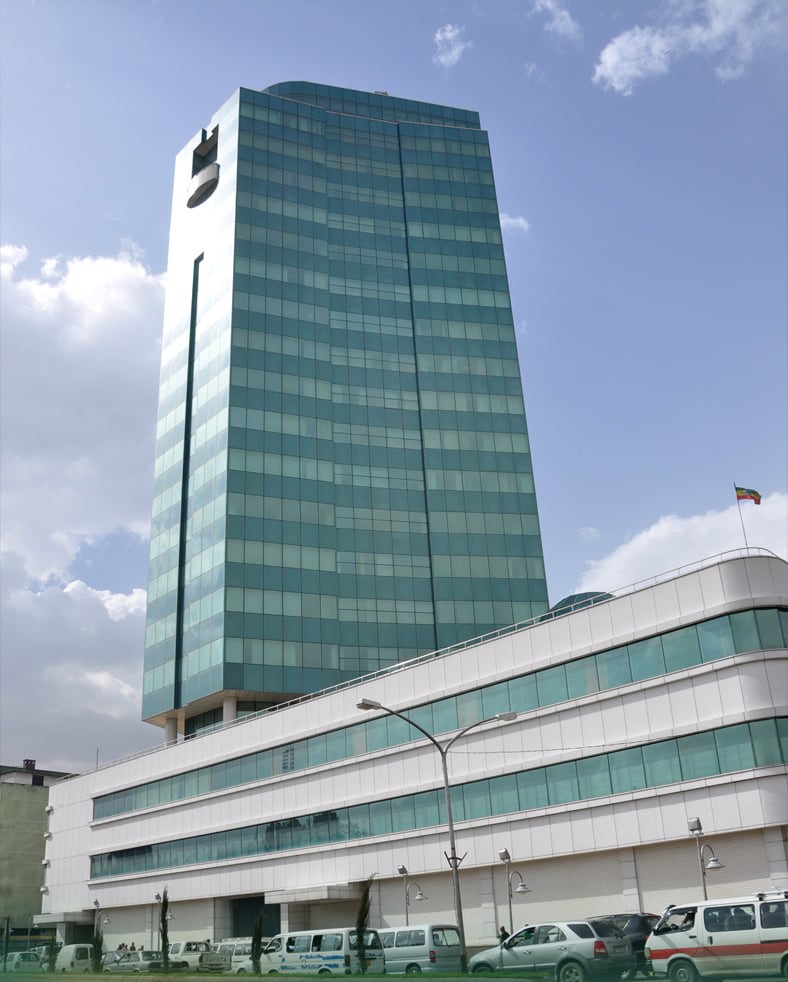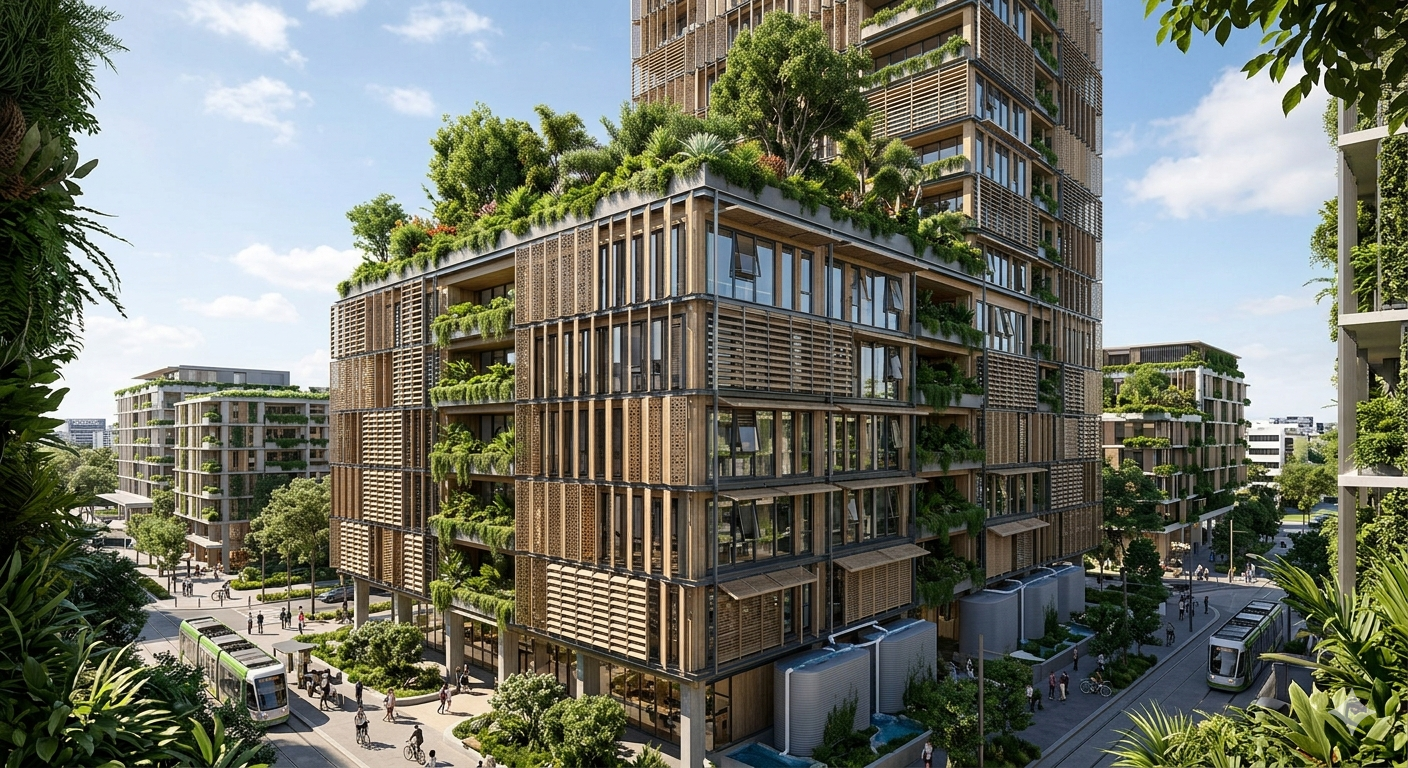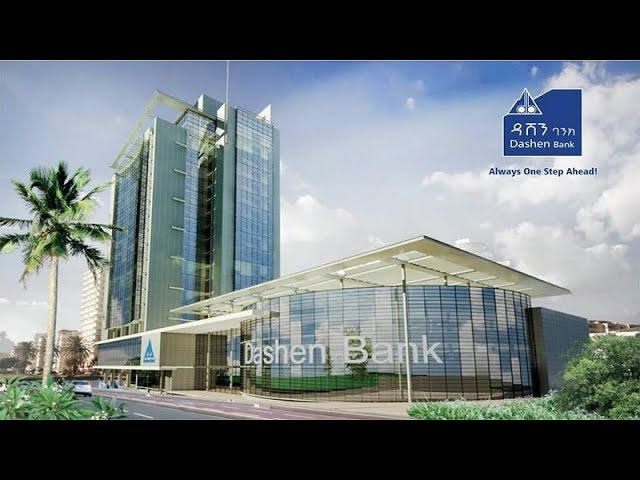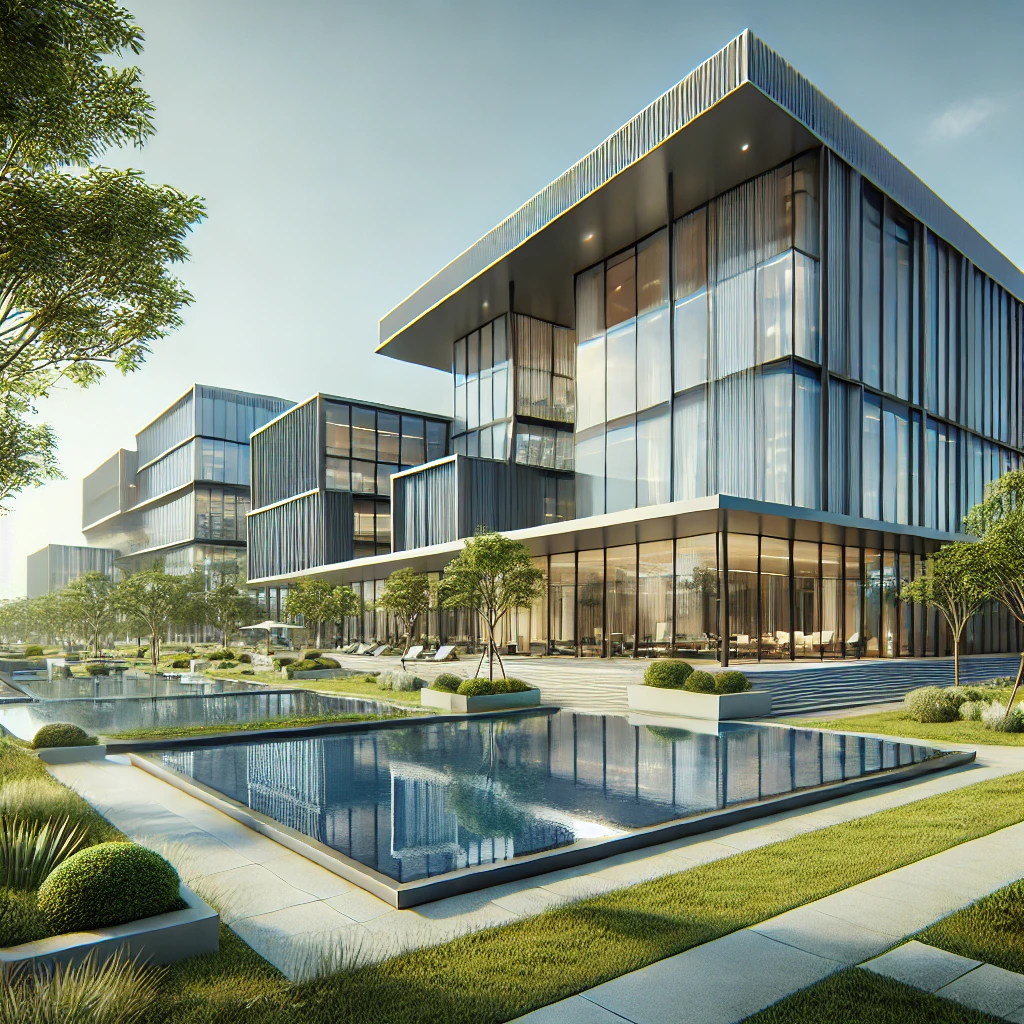
Modern architecture is reshaping the way cities are designed and experienced. From towering skyscrapers to innovative eco-friendly homes, architecture is no longer just about shelter — it is about enhancing the quality of urban life. Architects are experimenting with new materials, forms, and technologies to create spaces that are not only functional but also inspiring. Green roofs, smart facades, and modular construction have become defining trends in urban areas around the world.
"Architecture is no longer just about shelter — it is about enhancing the quality of urban life and addressing the most pressing challenges of our time."
While modern architecture offers immense potential, it also presents challenges — particularly the tension between aesthetics and sustainability. Cities must adapt quickly to accommodate growth while preserving cultural heritage and the character of existing neighbourhoods. Getting this balance right is one of the defining tasks of our generation of architects and urban planners. As urbanisation continues at its current pace, the role of modern architecture will become increasingly vital. Its ability to address global challenges like climate change and population growth makes it a cornerstone of future city planning.
Nowhere is this transformation more visible than in Addis Ababa. Over the past three decades, the city has undergone a dramatic architectural evolution — from a relatively low-rise urban fabric to a skyline now punctuated by high-rise towers, mixed-use complexes, and ambitious public infrastructure. HGC has been a participant in and witness to this transformation since 1994, and the patterns we see in Addis Ababa closely mirror the global shifts reshaping cities everywhere.
The pressures are familiar: rapid population growth, constrained urban land, rising construction costs, and an increasingly sophisticated client base that expects both visual impact and operational efficiency from their buildings. What is distinctive about the Ethiopian context is the pace of change — and the degree to which contemporary architectural practice must bridge international standards with local building culture, climate conditions, and material availability.
For firms like HGC, designing in this environment means embracing the tools and techniques of modern architectural practice — BIM-based design coordination, performance-based façade design, advanced structural systems — while remaining grounded in the realities of the local construction industry. It means designing buildings that can be realistically built, maintained, and adapted over their lifetimes, not just impressive on a render. The most enduring buildings we have delivered are those where innovation and pragmatism worked hand in hand from the very beginning of the design process.
← Back to News & Insights